Pre-Event Video Briefing & Accreditation

One Briefing. Relayed Down The Line.
By The Time It Reaches Your Stewards, It's Barely Recognisable.

Secure Brief puts your core briefing on video, delivered straight to every person who needs it. Each one watches it and passes a short quiz before their first shift, so the briefing on the day can focus on what's different this time.

Request Your Briefing Audit
0 Wasted per person, per event, standing through a verbal briefing
1 Brief, word for word, for every person on the team
0 Audit-proof completion record, for every individual
Unlimited Brief revisions included, until you're genuinely happy, no cap

The Problem

The Real Cost of a Verbal-Only Briefing

01

Message Distortion

Every hand-off down the chain of command loses accuracy. What the ops manager briefed at 05:00 is rarely what the steward on gate three actually heard.

02

Wasted Paid Time

30–90 minutes of billable staff time per event, per person, spent standing in a car park listening to a briefing that half of them can't hear properly.

03

Martyn's Law Is Coming

The Terrorism (Protection of Premises) Act 2025 is expected to come into force in 2027, with the SIA as regulator. The duty sits with venues and event organisers, who will need to show their people are prepared. A timestamped record for every individual gets you ahead of it, not scrambling to catch up.

04

Slower Incident Response

Under-briefed frontline staff hesitate at exactly the moment speed matters most. Briefing decay isn't just inefficient. It's a live operational risk.

Why I Built Secure Brief

I Gave The Same Briefing Every Week. Then I Realised The Core Of It Only Needed Giving Once.

I'm James. I spent nearly two decades in the Army, then started again from the bottom of a new industry. This is the moment the two worlds collided, and why it changes how your team gets briefed.

Where I Started

I flew and briefed Army helicopter operations, including as second-in-command of an Apache squadron, then spent years as a staff officer designing how the Army trains its people. A mission brief was delivered once, properly, with time for questions. Every crew member could repeat it back. Nobody went airborne on "roughly".

A New Industry

After the Army I learned event security from the ground up with AIB Security: steward, then SIA Door Supervisor, then running match nights at MK Lightning. Along the way I worked the Champions League Final at Wembley, concerts at the National Bowl and Henley Royal Regatta. I loved it, and I wanted to get good at it fast.

What I Kept Seeing

Good people arriving from day jobs, night shifts and other events, straight into a briefing in a car park or a corridor. One delayed supervisor and everyone waits, then everyone's rushed. New faces hearing the core brief for the first time over radio chatter and crowd noise. The same basics repeated every week, leaving no time for the things that actually raise the standard. Nobody was doing anything wrong. The format was the problem.

The Moment It Clicked

Running match nights, I noticed most of what I said was the same every week. It didn't need saying again. It needed saying once, properly, straight to every person, in a way they could rewatch and prove they'd understood. Exactly how a good mission brief works. Then the time on the night could go on what's different tonight, and on coaching the people who need it.

What I Built

Secure Brief is that idea, built properly. Your core brief on video, structured with the same 7 Questions estimate the Army uses to plan operations, a short quiz, and a timestamped record for every individual. Watched before the first shift, revisited whenever it changes.

What Changes

Shorter, sharper briefings on the day. New staff who arrive already knowing the venue. Supervisors who coach instead of repeating themselves. And proof that every person was briefed, ready for when Martyn's Law comes into force.
Request Your Briefing Audit

Where We Set The Bar

The Bare Minimum Was Never Meant To Be The Target

A licence proves someone can do the job. It doesn't prove they've been briefed on your venue. The regulator says so itself: licence training "does not replace the responsibility of employers to ensure that operatives are trained and appropriately briefed before deployment" (SIA qualifications consultation, August 2026).

An SIA licence, a five-minute door brief, a laminated incident card: that's the floor, not a standard anyone should be proud of. It was never designed to be what a safety-conscious company actually aims for.

The Minimum

  • A verbal brief, delivered once, understood differently by everyone who heard it
  • A licence that proves someone passed a test, once, years ago
  • Staff who show up, stand where they're told, and leave
  • Incidents handled by instinct, because nobody remembers the actual procedure
  • High turnover treated as a normal cost of doing business

The Standard We Build To

  • Every individual watches, is quizzed, and passes, with a timestamped record to prove it
  • Watched before the first shift, revisited whenever it changes, never lost in the retelling
  • Staff who understand the "why," not just where to stand, and are trusted with more because of it
  • A team that responds fast because they were actually briefed, not because they guessed right
  • A workforce that's mentored, not just rostered, and stays because of it

The gap between those two columns is where incidents happen, reputations are lost, and good staff walk. It's also exactly where the opportunity is.

The Real Cost

What Is Standing Around Actually Costing You?

Every minute your team spends listening to a live briefing is a minute you're paying for, multiplied across every staff member, every event, every season. Run your own numbers below.

Starting figure: UK National Living Wage, age 21+. Editable, and check gov.uk/national-minimum-wage for the current rate.
True cost to you per hour: £0.00. Wages are never the whole story.
Cost of live briefing time, this event £0
Extra cost if it overruns, this event £0
Total exposure, briefing plus a typical overrun £0

On top of whatever this saves in wasted wages: every one of those staff has a timestamped, quiz-passed completion record, a defensible compliance position, not a guess. And because engagement is tracked per person, it doubles as an ongoing coaching signal for who needs support, not just a box to tick once a season.

The Cost You're Not Currently Measuring

Losing Good Staff Is Expensive, Even Before You Count The Wages

Every time a steward or supervisor leaves, you don't just lose a shift's cover, you lose the induction time, the SIA vetting and paperwork, the weeks of them still learning your sites, and the site-knowledge that walked out the door with them. Replacing them isn't free before a single extra wage is paid: job ads, screening, licence checks, onboarding, and the stretch of them visibly being the newest, least confident person on site.

Staff rarely leave a well-run operation for money alone. They leave because nobody explained why the job mattered, nobody checked whether they'd actually understood it, and nobody was building them toward anything. A briefing culture that treats people as worth training is also a retention strategy, and retention is cheaper than recruitment, every time.

Illustrative, not a quoted figure

Replacing one steward, advertising, vetting, onboarding, and the lost productivity while they ramp up, commonly costs a company several hundred pounds and multiple shifts of under-strength cover, before you've paid them a single extra hour of wages.

Well-briefed, well-mentored staff don't just perform better on the night, they refer other good people, and they make your company the one experienced operators want to work for. Reputation compounds in both directions.

When It Matters Most

Bigger Events. Safety-Critical Roles. Bigger Gains.

On a stadium fixture, a multi-day festival or a safety-critical role, every extra person, shift and layer of management multiplies the gaps in a live briefing. That's where a consistent, direct brief pays back most.

01

Staff Arrive From Everywhere

Your best people are often working elsewhere, travelling in from night shifts or other events. They take the brief in advance, wherever they are, instead of being rushed through it on arrival.

02

Straight From The Source

The brief goes directly to every person who needs it, in the words of whoever wrote the plan. No relay through layers of managers and supervisors, each adding or dropping a detail.

03

No Single Point Of Delay

When a live briefing waits on one late supervisor, everyone waits, then everyone gets rushed. A brief that's already been delivered can't be held up.

04

Time To Take It In

The best briefings happen without time pressure. Staff can pause, rewatch and revisit the detail, instead of hoping they caught it first time over crowd noise and radio chatter.

05

More Than One Way To Learn

Not everyone takes something in first time, or in the same way. Maps, visuals and plain-language recaps add clarity a shouted brief never can.

06

Targeted Retraining

Quiz results show exactly who needs a refresher or a little extra guidance, so you raise the standard across the whole team, not just whoever was standing closest.

The Solution

How Secure Brief Works

1

We Build The Brief

Using the British Army's "7 Questions" combat estimate, the same planning framework used to plan live operations, reframed for event security, so nothing critical gets missed.

2

We Film It, Once, Properly

A single professionally produced video briefing, built once and reused for every event under that scope, no more re-briefing the same information from scratch each time.

3

Your Team Watches & Passes

Every Management, Supervisor, Security Officer, and Steward watches the brief and clears a short quiz on a gated portal before their first shift, and again whenever the brief changes. Live briefings then focus on what's specific to the day.

4

You Get The Paper Trail

A timestamped completion record for every single staff member. Not a promise of compliance, 100% audit-proof visibility, on demand.

The Zero Briefing Decay Guarantee

Unlimited revisions until you're genuinely happy with the brief, no extra cost, no cap on how many rounds it takes. You're not paying for a fixed number of drafts; you're paying for a result that's actually right. The only circumstances where you don't owe the fee: we miss the delivery date we agreed, we film something other than what we scoped together, or the finished portal simply doesn't do what we said it would.

Single Event Deployment

£1,995

One event, fully built, filmed, and hosted, start to finish.

Annual Venue Partner

£1,195/ event

For larger or varied events across a season, 12 bespoke briefs, 40%+ saving over booking single events.

The Bigger Picture

This Isn't Just A Compliance Tool. It's A Standards Partnership

I'm not interested in helping companies do the legal minimum slightly more efficiently. I'm building this with the operators who want to be known for something better, venues and security companies willing to invest in their people, not just their paperwork.

The Public

Arrives to a team that's genuinely prepared, who know where the first aid point is, how a lost child gets safely reunited with their family, what to do when a ticket won't scan, and how to de-escalate before things go wrong. That's the difference the public actually feels, even if they never know why.

The Client

Fewer incidents, a defensible compliance position, and a reputation for running a tight operation, with a workforce that isn't constantly being rebuilt from scratch every season.

The Staff

Treated like professionals worth training, not just bodies to fill a rota. Mentored, understood, and given a reason to stay, and to bring their best people with them next time.

Happy, well-briefed staff don't just perform better, they refer other good staff, and they become word-of-mouth advertising for the companies that treat them properly. Standards compound. So does reputation.

It's Not Just Security Briefings

Public Service Standards, Built Into The Same System

Every event throws up the same public-facing moments that have nothing to do with security and everything to do with how professional you look: lost property, a separated child, a ticket that won't scan, someone who's lost, upset, or just needs pointing in the right direction. When that guidance only lives in one supervisor's head, every member of staff handles it differently. Built into the same briefing platform, those procedures get the same treatment as the security brief, watched, understood, and consistent, so the public gets the same standard of care no matter which steward they happen to find.

What This Grows Into

Beyond The Briefing

A video briefing portal is the starting point, not the ceiling. The same gated, tracked platform that proves your team watched and understood a pre-event brief is built to carry more over time: SIA licence renewal training, first aid and medical refreshers, CCTV operator qualifications, all delivered and recorded the same audit-proof way, so compliance and people development live in one place instead of a dozen. That's the direction this partnership grows in as it matures, once the core briefing habit is in place, not a bolt-on sales pitch on day one.

About James

Built By Someone Who's Stood In The Briefing Room, On Both Sides

The short version is above. Here's the record behind it: the operations that taught me what a good brief looks like, and the events where I learned what this industry needs.

Before Secure Brief

The Military Chapter

Age 18

Joined the Army straight from sixth form, without a degree, after spending his sixth-form years working as a floor manager at McDonald's.

2004

Awarded his Army pilot's wings.

2004–2008

Flew Lynx helicopters on operations, including service as Flight Commander in Afghanistan.

2007–2008

Flew "special duties" sorties alongside UK, Afghan, and coalition Special Forces.

2011

Retrained onto the Apache and deployed as second-in-command of his squadron.

Return to UK

Taught in the Command and Tactics Wing as a Captain.

Major

Attended Staff College, then served as a staff officer specialising in training, first at the Army Aviation Centre HQ, later at Army HQ.

Nov 2019

Medically discharged, just months before the pandemic hit.

James as an Apache Air Mission Commander, standing beside the aircraft with his crew

Second-in-Command, Apache Squadron

Retraining onto the Apache and deploying as second-in-command of his squadron, briefing a crew before a live mission leaves no room for "roughly." Every call sign, every contingency, every abort criterion had to be understood exactly. That's the standard Secure Brief is built to.

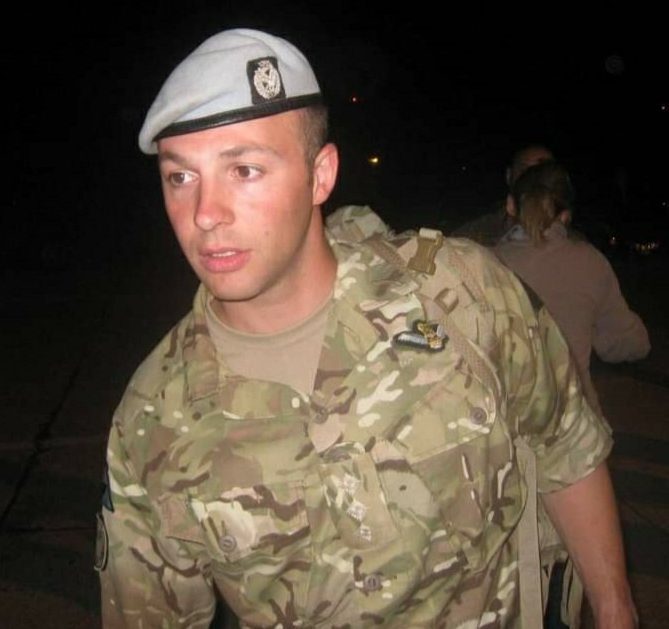
James arriving back from an operational tour in Afghanistan

Flight Commander, Lynx Operations

Flying Lynx helicopters on operations and serving as Flight Commander in Afghanistan, including "special duties" sorties alongside UK, Afghan, and coalition Special Forces. A tour where the briefing your team actually absorbed, not the one you delivered, was the difference that mattered.

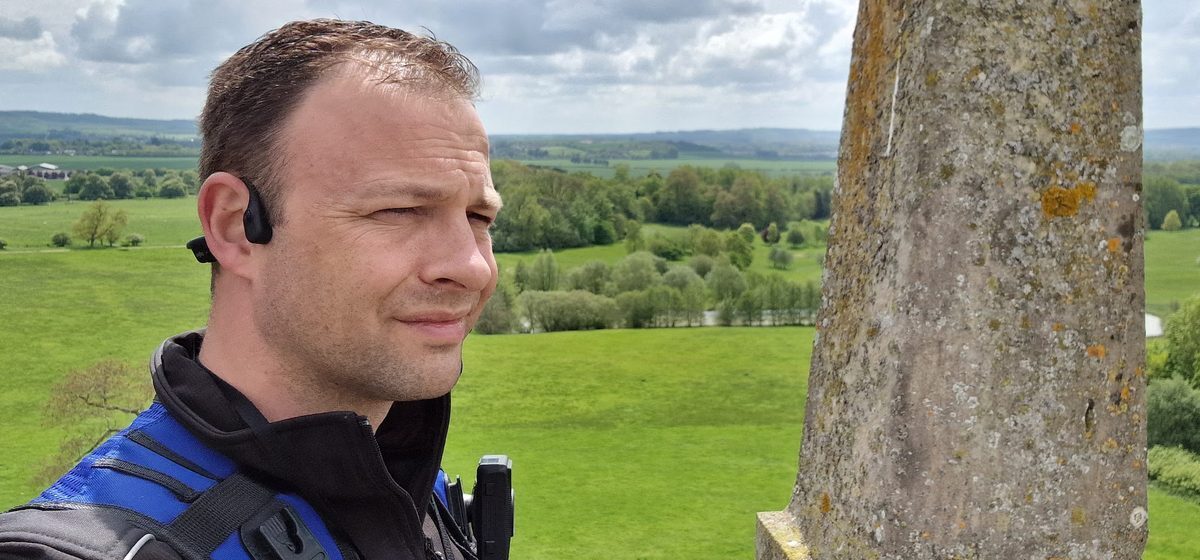
James on a hillside during a residential security patrol

Into Residential Security

Moving from military ops into private residential security, walking large estate grounds, briefing small teams on layout, access points, and threat before the site opened. Same discipline, civilian stakes.

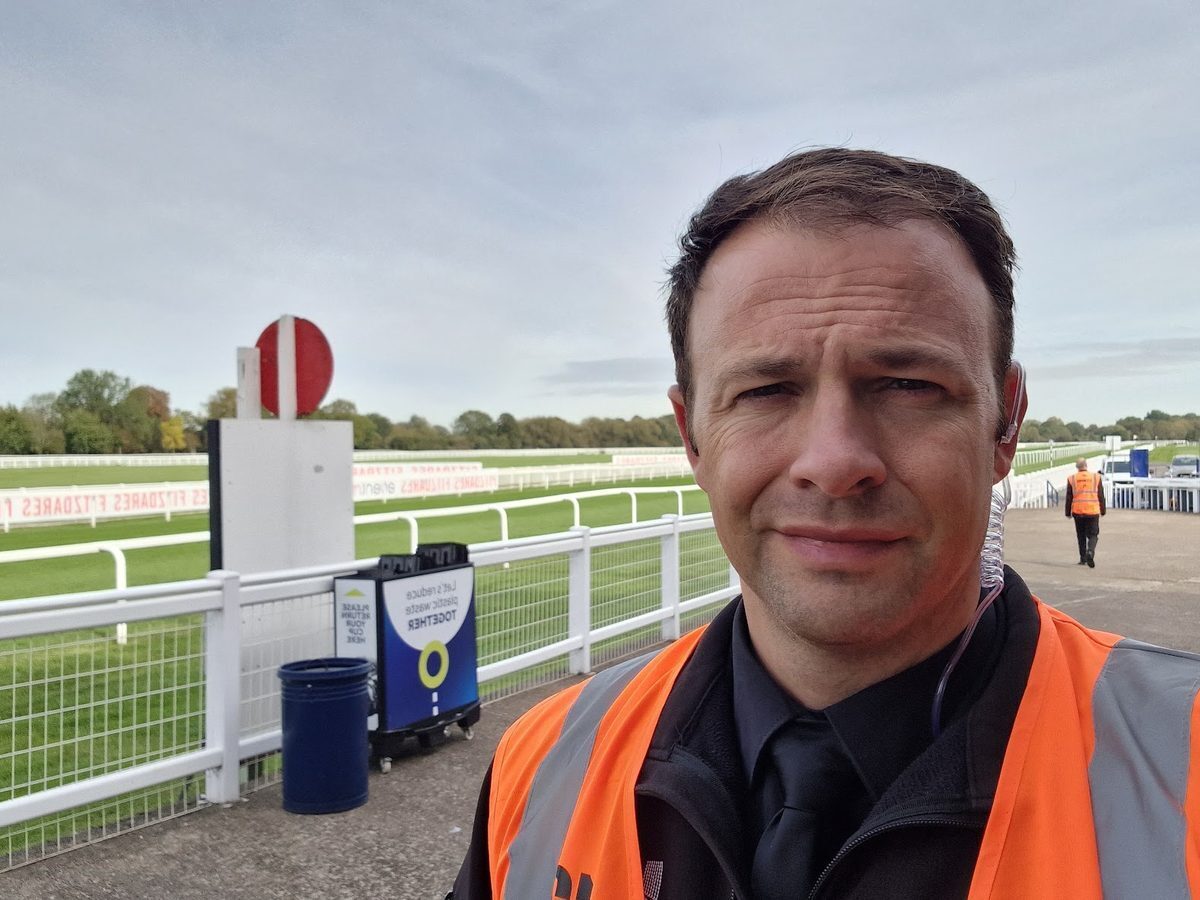
James on duty at Royal Windsor Racecourse

Royal Windsor Racecourse

Scaling from residential security into large public event security, race days with thousands through the gates, and a briefing process that still relied on word of mouth.

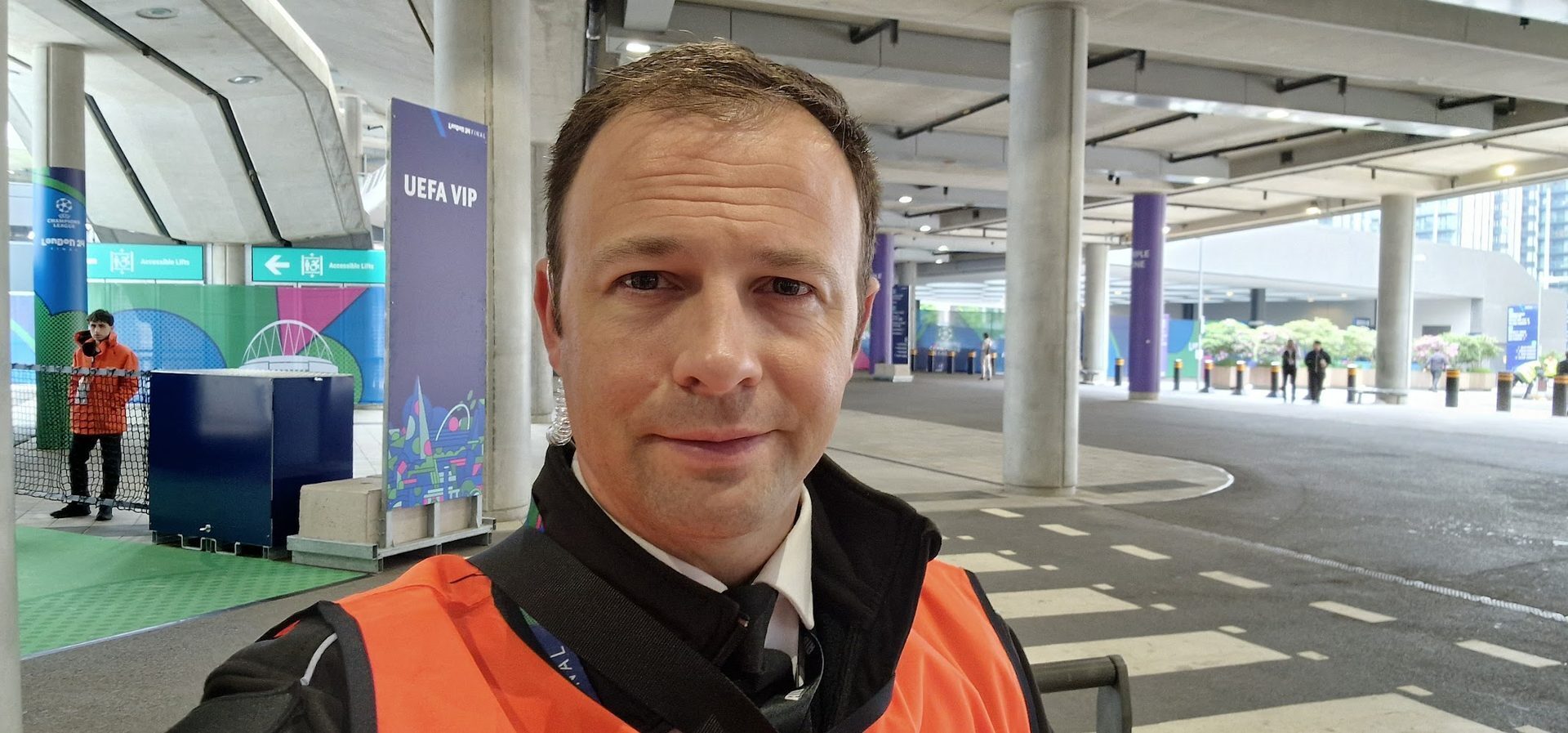
James on duty at the UEFA Champions League Final at Wembley Stadium

Champions League Final, Wembley

Working the UEFA Champions League Final, a global broadcast audience, zero tolerance for error. At that scale, briefing decay isn't an inconvenience. It's the difference between a clean event and a headline.

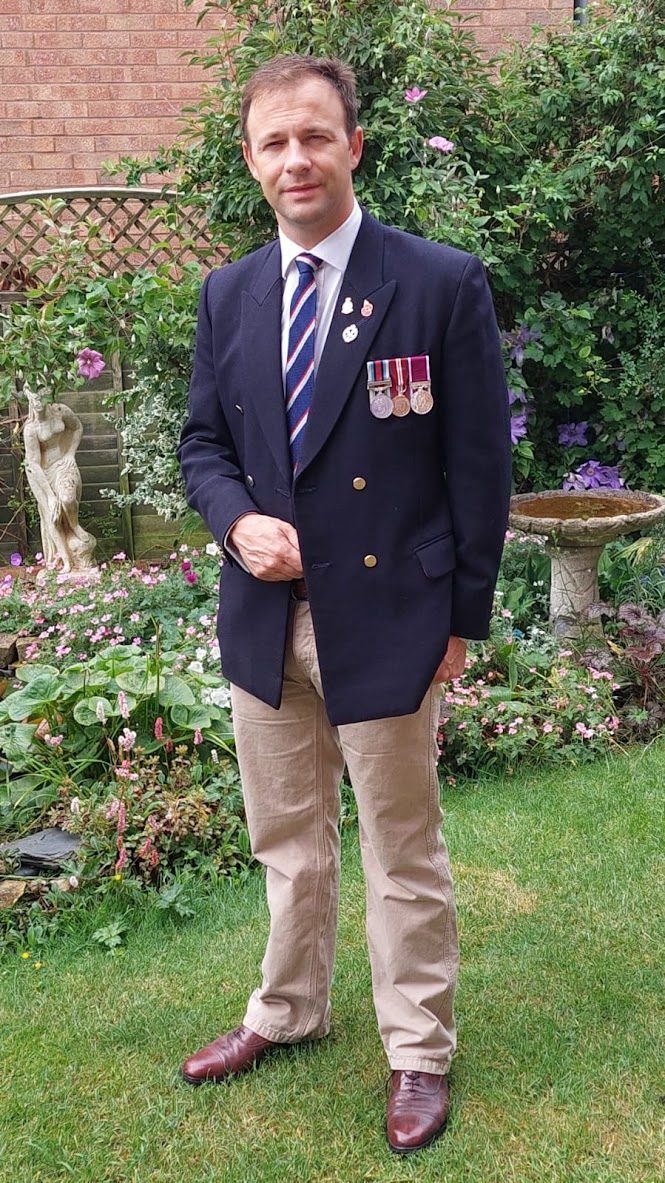
James speaking at an Armed Forces veteran event, wearing his service medals

Speaking For The Veteran Community

Sharing what military planning discipline, the same "7 Questions" framework behind every Secure Brief, has to teach an industry that still runs on verbal handovers.

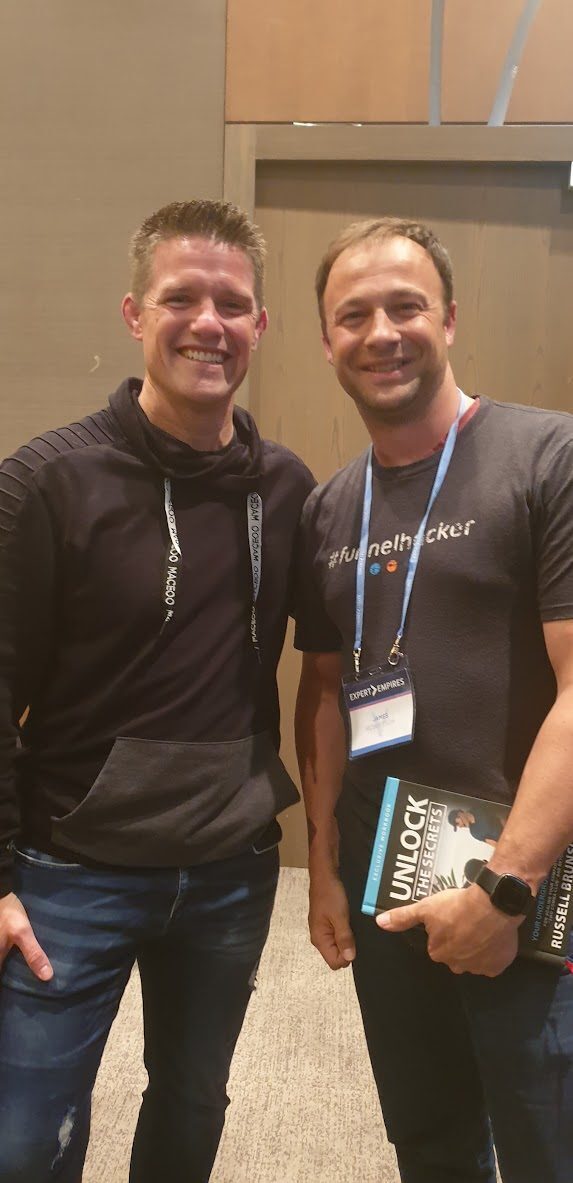
James with Russell Brunson at the Expert Empires business event

Expert Empires

Learning the business side directly from Russell Brunson and other operators who've actually scaled, because a great briefing system still needs a real business built underneath it.

Questions

Before You Ask

No, and it's not meant to. The video covers everything that stays the same event to event: venue layout, standard procedures, role responsibilities, the stuff that gets repeated identically every single time. That frees up whatever on-site time you do have for what's actually different or critical that day, and lets you run a rotating "topic of the week" refresher, a fire drill walkthrough one week, a new access point the next, instead of re-covering ground your team already knows.

In practice, that's often nearly impossible. Good staff are in demand, when they're not with you, they're spread across other sites and events, which is exactly why they're good. Pinning down one time and place to brief a whole team in person rarely works, and delays on the day only make it worse. What most people do have is small pockets of downtime, commuting, a day off, between other commitments, and a short video fits into that in a way a mandatory group session never can.

That's exactly the case this was built for. Volunteer teams, like the ones at MK Lightning ice hockey, who work in exchange for watching the game, arrive as late as they can and go straight from work or other commitments into their shift. There's often no window to gather them for an in-person briefing at all. A video they can watch whenever they actually have five minutes is frequently the only realistic way to get them briefed properly.

The portal flags incomplete briefings in real time, so your ops manager knows exactly who hasn't cleared it before gates open, not after something goes wrong.

No single product can do that on its own. The duty sits with whoever runs the venue or event, and the SIA is set to regulate it once the Act comes into force, expected in 2027. What Secure Brief gives you is a timestamped completion and quiz-pass record for every individual, on demand: the kind of evidence you'll want to show your people are prepared. We're not your compliance lawyer, but this is built to close the gap a verbal-only briefing leaves open.

It's a consultation, so nothing in it is in force yet, and new qualifications are expected from late 2027. The proposals add topics like spiking, searching mobility devices, drones and Martyn's Law awareness, all of which play out differently at every venue. Licence training covers the general picture. The SIA is clear that briefing staff on your site before deployment is still the employer's job, and that's exactly what Secure Brief does.

Yes, that's exactly what the Season Pass is for. Build it once, reuse it for every fixture, and only re-film when something material changes.

Yes. Because every briefing is quizzed and logged, you can see who's engaging and who's struggling, turning a compliance requirement into an ongoing coaching signal for your team.

It stops being a problem. Because the brief and the SOPs are already delivered and understood by the whole team before anyone arrives, a deputy can step in with barely any handover, the team already knows their roles. You're not relying on one person's memory to hold the operation together.

No, the same platform is built to carry public-facing service standards too (lost property, separated children, ticketing issues), and, as the partnership matures, licence renewals, medical training, and CCTV qualifications. One place your team gets briefed, trained, and tracked.

Indirectly, but significantly. Staff who feel properly briefed, trusted, and mentored are more likely to stay, and retention is almost always cheaper than repeatedly recruiting and re-training replacements.

Get Started

Ready To Eliminate Briefing Decay At Your Next Event?

Tell me about your event or venue, and I'll follow up personally, usually within one working day.